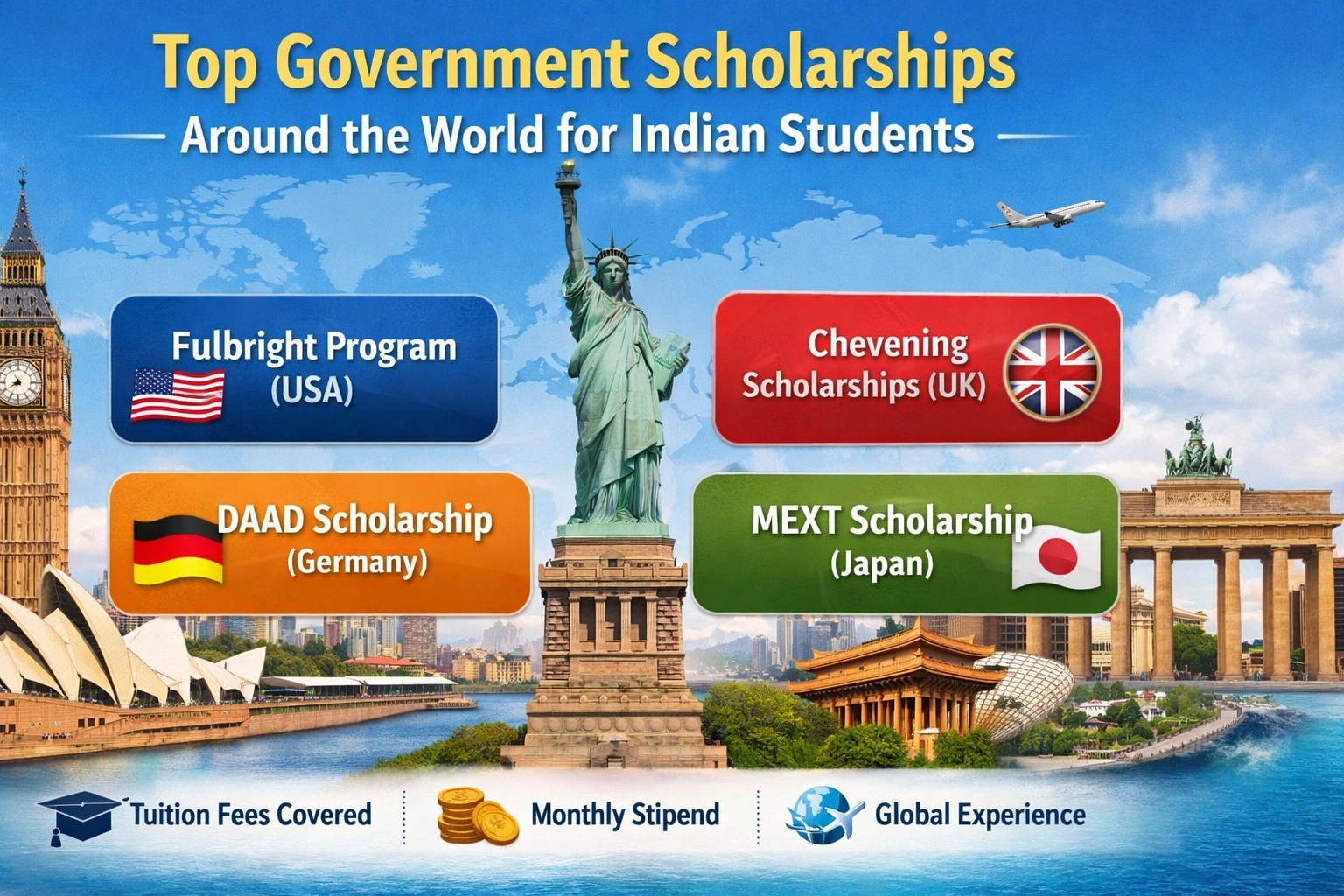
Explore top scholarships in Germany for international undergraduate students in 2026. Learn about eligibility, types of scholarships, application tips, and how to fund your studies in Germany.
Introduction
Germany has emerged as one of the most popular study destinations for international students due to its high-quality education system, low or tuition-free public universities, and strong career opportunities. With world-renowned universities and a robust economy, Germany attracts students from around the globe who want to pursue undergraduate programs in engineering, business, sciences, arts, and technology.
One of the biggest advantages of studying in Germany is the availability of scholarships for international students. Scholarships provide financial support that can cover tuition fees, living expenses, travel costs, and sometimes even accommodation and health insurance. For undergraduate students, these scholarships are essential in making education in Germany affordable, especially for students from countries like India, Nigeria, or other developing nations.
This guide provides a complete overview of scholarships in Germany for international undergraduate students, including eligibility, types, top universities offering scholarships, application tips, and frequently asked questions.
Why Study in Germany for Undergraduate Programs?
Germany is considered one of the top study destinations for several reasons:
Affordable Education
Public universities in Germany often charge minimal or no tuition fees, making it affordable for international students. Even private universities are significantly cheaper than counterparts in the United States, UK, or Australia.
High-Quality Education
Germany’s education system is globally recognized. Undergraduate programs focus on practical learning, research opportunities, and industry exposure.
Strong Career Prospects
Graduates from German universities are highly valued by employers worldwide. Germany’s economy offers numerous career opportunities in engineering, technology, business, and research.
Cultural Experience and International Exposure
Studying in Germany gives students exposure to a diverse and multicultural environment, enhancing personal and professional growth.
Scholarships and Financial Support
Germany offers numerous scholarships specifically designed for international students to support tuition fees, living expenses, and research projects.
Types of Scholarships for International Undergraduate Students
Scholarships in Germany for undergraduate students can be categorized based on eligibility, selection criteria, and funding type.
1. Merit-Based Scholarships
Merit-based scholarships are awarded to students with exceptional academic performance, leadership qualities, or special achievements in extracurricular activities.
Universities and private organizations often select students based on:
- High school grades
- Standardized test scores
- Academic achievements
- Awards or recognitions
2. Need-Based Scholarships
Need-based scholarships are provided to students who demonstrate financial constraints but possess strong academic potential. These scholarships focus on supporting students from low-income families who may otherwise not afford higher education in Germany.
3. University Scholarships
Many German universities offer scholarships to attract talented international students. These scholarships may cover tuition fees partially or fully, and sometimes include living costs.
Examples include:
- Heidelberg University Scholarships
- University of Freiburg Scholarships
- RWTH Aachen University Scholarships
4. Government-Funded Scholarships
The German government and public organizations offer scholarships to international students.
DAAD Scholarships
The German Academic Exchange Service (DAAD) is one of the most prestigious scholarship programs for international students. DAAD scholarships often cover:
- Tuition fees
- Monthly stipend
- Travel allowance
- Health insurance
These scholarships are highly competitive and awarded based on academic merit, motivation, and potential.
5. Private and Foundation Scholarships
Several private foundations and organizations in Germany provide scholarships for undergraduate students.
Examples include:
- Konrad Adenauer Stiftung Scholarships – Focus on students with leadership potential.
- Friedrich Ebert Stiftung Scholarships – Offered to students with academic excellence and social commitment.
- Heinrich Böll Foundation Scholarships – Supports environmentally conscious and socially active students.
6. Subject-Specific Scholarships
Certain scholarships are available for specific fields of study like engineering, medicine, computer science, arts, or business. These scholarships target students pursuing a career in high-demand sectors.
Eligibility Criteria for Undergraduate Scholarships
While eligibility criteria may vary, most scholarships for international undergraduate students require:
- Completion of high school or equivalent education
- Strong academic record and high grades
- Proof of language proficiency (German or English depending on the program)
- Motivation letter or personal statement
- Letters of recommendation
- Proof of financial need (for need-based scholarships)
Some scholarships may also consider leadership potential, extracurricular achievements, or community involvement.
Language Requirements
Undergraduate programs in Germany may be offered in German or English. Language proficiency is a key requirement for scholarships.
- German-taught programs – TestDaF or DSH exams are usually required.
- English-taught programs – IELTS or TOEFL scores are required.
Scholarships may require a minimum language score depending on the university or program.
How to Apply for Scholarships in Germany
Step 1: Research Scholarship Opportunities
Start by researching scholarships offered by:
- Universities
- German government (DAAD)
- Private foundations and organizations
Focus on scholarships that match your academic profile, field of study, and financial need.
Step 2: Prepare Required Documents
Commonly required documents include:
- Academic transcripts and certificates
- Language proficiency test results
- Statement of purpose or motivation letter
- Recommendation letters
- CV or resume
- Proof of extracurricular achievements
Step 3: Submit Scholarship Application
Applications are generally submitted online through university portals or DAAD websites. Ensure all deadlines are met.
Step 4: Attend Interviews (if required)
Some scholarships may require an interview to assess your motivation, skills, and commitment.
Step 5: Wait for Selection Results
Scholarship committees review applications and announce the results. Selected candidates are notified via email or official letters.
Top Universities Offering Scholarships for Undergraduate Students
Some German universities known for offering scholarships include:
- Technical University of Munich (TUM) – Offers merit-based scholarships for international students.
- Heidelberg University – Provides support for academically outstanding students.
- University of Freiburg – Offers partial tuition fee waivers.
- RWTH Aachen University – Merit-based scholarships for international undergraduates.
- Humboldt University, Berlin – Foundation and university scholarships for deserving students.
- Free University of Berlin – Scholarship options for international undergraduates.
Benefits of Scholarships for Undergraduate Students
- Reduced tuition fees or tuition-free education
- Monthly stipends for living expenses
- Travel allowances for international students
- Health insurance coverage in some cases
- Opportunities for internships, research, and networking
- Enhanced academic and career growth
Challenges in Getting Scholarships
While scholarships provide financial support, they are highly competitive. Common challenges include:
- High academic and language requirements
- Limited number of scholarships available
- Need for strong motivation letters and recommendation letters
- Awareness of application deadlines
Proper preparation and planning can help overcome these challenges.
Tips to Increase Your Chances of Scholarship Selection
- Maintain excellent academic records in high school
- Prepare early and research multiple scholarship options
- Focus on leadership, community service, and extracurricular achievements
- Write a strong and genuine motivation letter
- Secure strong recommendation letters from teachers or mentors
- Meet all eligibility criteria and submit complete documents before deadlines
Cost of Studying in Germany (Without Scholarships)
Even though many scholarships cover tuition, it is important to plan for living costs.
Average living expenses for international students in Germany:
- Accommodation: €300 – €700 per month
- Food and groceries: €150 – €250 per month
- Transportation: €50 – €100 per month
- Health insurance: €80 – €100 per month
- Miscellaneous expenses: €100 – €200 per month
Total monthly expenses: approximately €700 – €1,350 depending on the city.
Scholarships significantly reduce these costs.
Career Opportunities After Undergraduate Study in Germany
Germany provides strong career prospects for graduates in multiple sectors.
Popular Fields
- Engineering
- Computer Science & IT
- Business & Management
- Natural Sciences
- Arts & Humanities
Work Opportunities for Students
International students can work part-time during studies (up to 120 full days or 240 half days per year) to gain experience and support their living costs.
Post-Graduation Work Opportunities
Graduates can apply for a post-study work visa to stay and work in Germany for 18 months to 2 years.
Conclusion
Germany offers a combination of high-quality education, low tuition costs, and numerous scholarships, making it an attractive destination for international undergraduate students. Scholarships not only reduce financial burdens but also provide opportunities for academic growth, networking, and professional development.
Indian and other international students should carefully research available scholarships, prepare strong applications, and plan finances before applying. With determination, planning, and academic excellence, studying in Germany can become a life-changing opportunity that opens doors to global career prospects.
FAQs
1. Are there scholarships for international undergraduate students in Germany?
Yes, numerous scholarships are offered by universities, DAAD, and private foundations for international undergraduate students.
2. Do scholarships cover tuition fees completely?
Some scholarships are fully funded, covering tuition and living expenses, while others provide partial funding.
3. What language skills are required?
German or English proficiency is required depending on the program. Common tests include IELTS, TOEFL, TestDaF, or DSH.
4. Can Indian students work while studying in Germany?
Yes, students can work part-time (120 full days or 240 half days per year) while studying.
5. How do I apply for DAAD undergraduate scholarships?
Students can apply online via the DAAD portal after securing admission to a recognized German university.